
Seeding Independence
LTPCT’s Community Vegetable Seedlings Nursery ensures local availability of healthy, disease-free seedlings aligned with cropping seasons.
- 11 March 2026
In tribal regions, livelihoods are deeply linked to stability of families, education, and health. In the Vikramgad block of Palghar district, identified as an Aspirational Block by NITI Aayog, strengthening agriculture has emerged as a critical pathway to reducing distress migration and improving overall community wellbeing.
Vikramgad continues to face persistent development challenges, including seasonal migration, low agricultural productivity, child malnutrition, and limited livelihood opportunities. With nearly 92 percent of the population belonging to tribal communities, these vulnerabilities are closely interlinked. Agriculture, largely rainfed and centred on paddy cultivation, has historically offered limited income security.
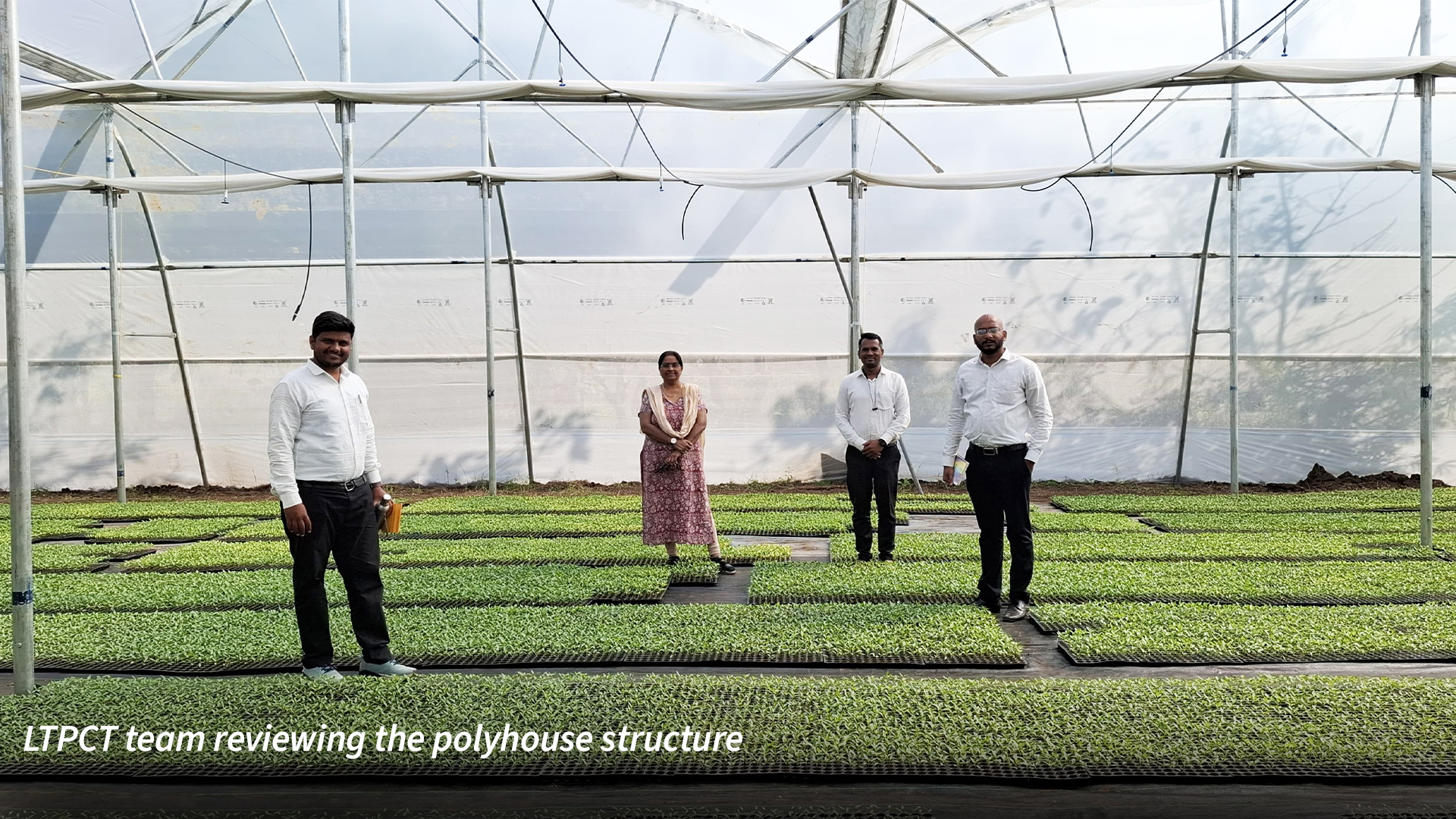
Under its Comprehensive Community Development Programme (CCDP), Larsen & Toubro Public Charitable Trust (LTPCT) has been working closely with local government systems and community institutions to address these challenges through integrated interventions across health, education, and livelihoods. A key focus has been enabling farmers to move beyond single-crop dependence and adopt diversified, market-oriented agriculture.
As farmers in Vikramgad began transitioning towards second-crop cultivation particularly vegetables and cash crops such as green chilli, a critical gap emerged in the local agricultural value chain: timely access to quality seedlings. Dependence on distant and unreliable external suppliers often resulted in delayed sowing, inconsistent crop quality, and higher input costs.
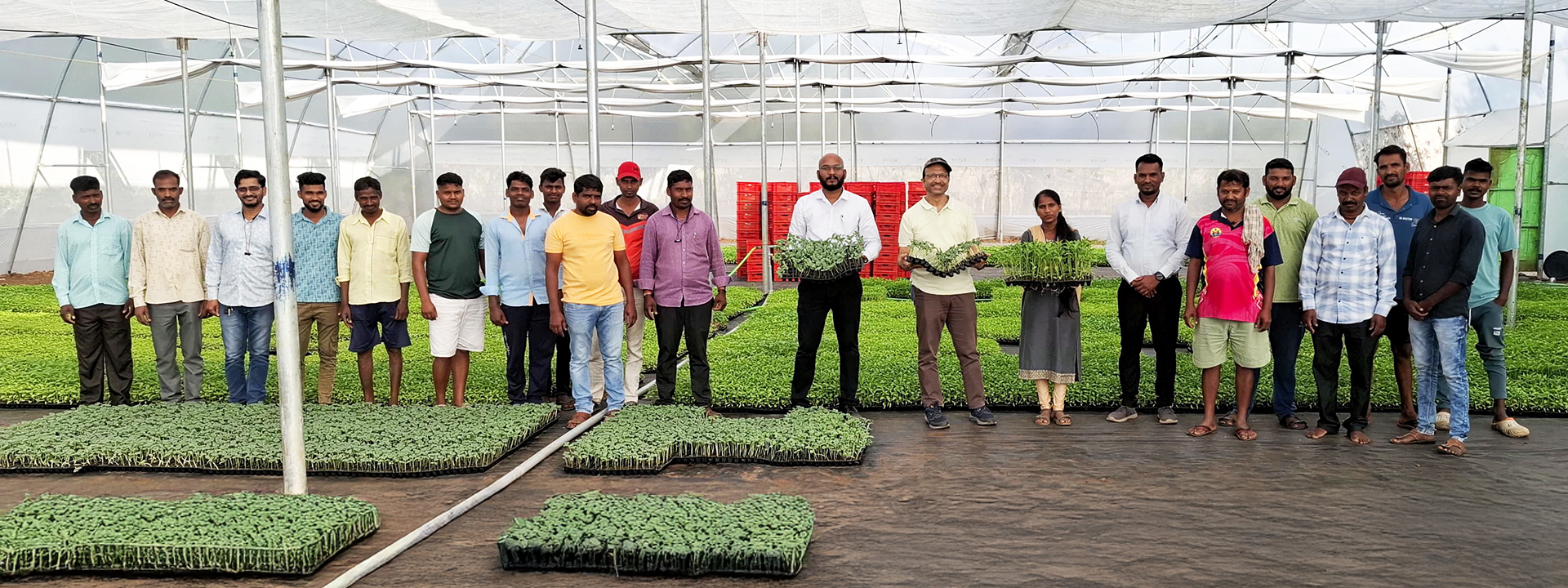
To address this, LTPCT supported the establishment of a Community Vegetable Seedlings Nursery on 10th November, 2025 designed as a community-owned and group-managed enterprise. The nursery ensures the local availability of healthy, disease-free vegetable and chilli seedlings aligned with cropping seasons, reducing dependency on external markets while improving farm productivity.
The polyhouse nursery spans 10,890 square feet and is managed by a trained farmer group. To build technical capacity, three group members underwent a five-day residential training at a government training facility, equipping them with skills in nursery management, quality control, and operations. This emphasis on capacity building ensures that the enterprise is sustainable beyond initial infrastructure support.
During the Rabi season of 2025 and the first sales in the month of December, the nursery produced approximately 2.84 lakh chilli seedlings, with sales continuing to meet local demand. To date, seedling sales amounting to around ₹1.10 lakh have been completed, while the total value of seedlings produced stands at approximately ₹3.97 lakh, indicating early commercial viability and strong farmer uptake.
To strengthen institutional sustainability, ownership of the polyhouse unit has been formally transferred to Kansanchay Farmers Producer Company, a farmer-owned institution established in Vikramgad under the mentorship of LTPCT’s livelihoods team. This collective ownership model reinforces accountability, reinvestment of profits, and long-term viability ensuring the initiative remains rooted in the community it serves.
The nursery is embedded within a broader agricultural ecosystem approach. Backward linkages include water resource development, improved irrigation access, and advisory support on crop planning. Forward linkages focus on post-harvest management and market access through farmer-managed collection centres, with buyer linkages established with APMC Mumbai, enabling better price realisation.
By generating local employment particularly for youth and women and reducing dependence on seasonal migration, the initiative supports improved continuity in education and access to health services. The Community Vegetable Seedlings Nursery exemplifies LTPCT’s approach to rural development: leveraging local resources, strengthening community institutions, and enabling sustainable livelihoods through market-linked, community-led solutions.


